
Why Rural Industrial Buildings Wear Out Fast (And How ClearSpan Designs Prevent It)
Industrial buildings on rural properties tend to age faster than comparable buildings in town, and the land itself isn’t the cause. The culprits are the conditions that come with it: persistent moisture, corrosive contents, harsh weather, hard use and deferred upkeep, each one making the others worse.
Understanding what contributes to premature wear helps owners decide what to inspect on an existing building and what to look for in a new one. It also shows why ClearSpan designs rural structures around these exact problems, with durable steel frames, covers and cladding matched to the exposure, natural ventilation and versatile foundation options.
What Causes Industrial Buildings To Wear Out Quickly On Rural Properties?
Moisture and poor drainage. Roof leaks, clogged gutters, standing water and runoff against foundations cause rust, rot and concrete deterioration. Rural sites frequently lack municipal stormwater management, so grading and runoff often fall to the property owner. Water trapped against steel is especially damaging.
Condensation and poor ventilation. A fully enclosed building can age faster than an open shed if humid air has nowhere to go. Trapped moisture, combined with dust and fumes, tends to attack fasteners and connections first.
Corrosive contents. Manure gases, fertilizers, silage acids, salts, pesticides and cleaning chemicals all accelerate corrosion. Agricultural and industrial environments can be far harsher on a building than ordinary outdoor exposure.
Weather exposure. Rural buildings often have few windbreaks, so wind, hail, snow load and temperature swings hit the structure directly. UV radiation breaks down roofing, sealants and coatings. In cold climates, freeze-thaw cycles crack concrete and foundations.
Wood and connections near the ground. Posts set in soil decay where moisture, oxygen and organisms meet. Bolts, screws, plates and welds can also corrode well before the main structural members look damaged.
Heavy use and changing use. Tractors, loaders and forklifts damage siding, doors and columns over time. A building designed for dry equipment storage also deteriorates much faster if it later houses livestock, washing operations or chemical storage.
Deferred maintenance. Rural properties are often farther from contractors and inspected less often. A small flashing failure or rust spot can turn into a structural problem after a few ignored seasons.
Sign Up Now To Learn More
How ClearSpan Designs Address These Causes
No building is maintenance-free, but design choices determine how many of these failure points exist in the first place. Several ClearSpan design features target them directly.
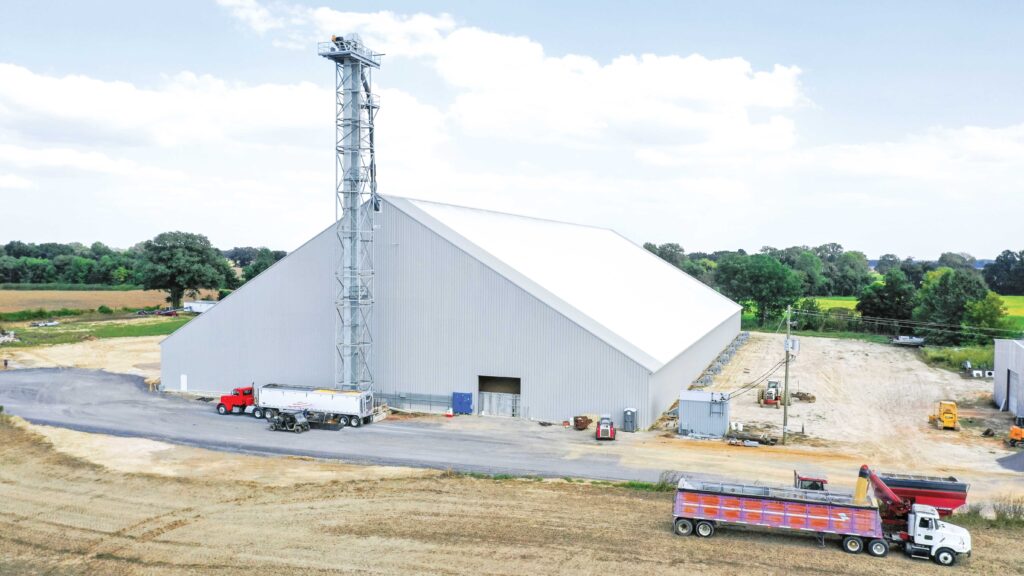
Durable steel frames for any project size. The ClearSpan Truss Arch Frame is built from triple-galvanized structural steel, which is corrosion-resistant and suited to harsh environments. For larger projects, the I-Beam frame is built from grade 55 steel, requires little maintenance once erected and can be built to any size. Both carry a 50 year warranty.
Covers and cladding matched to the exposure. ClearSpan’s standard 12.5 oz. polyethylene fabric cover has a rip-stop weave, is 100 percent recyclable and carries a 20 year warranty. For the toughest applications, the exclusiveArmor Shield Cover is a 29 oz. architectural vinyl with seven-layer construction and a 30 year warranty.
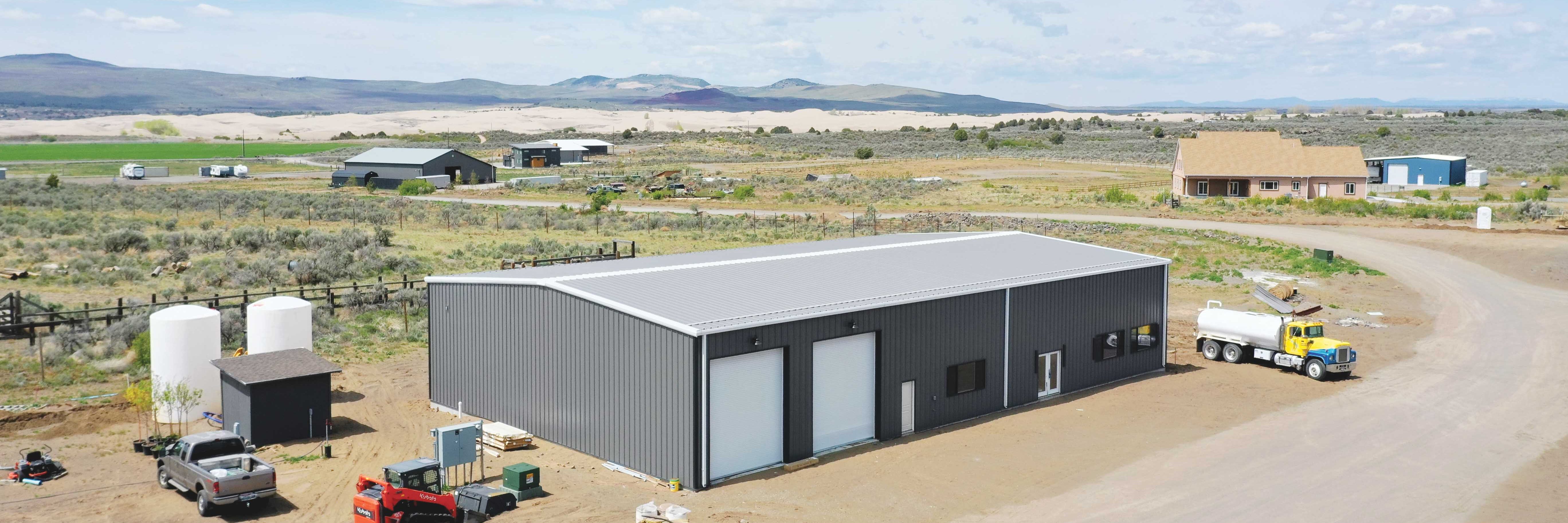
On the metal side, ClearSpan offers a variety of panel options, including R-Panels, Standing Seam Roof Panels and Ag Panels, in multiple styles and colors. Prime and Ultra grades add protection against fading and rust and carry industry-leading warranties.
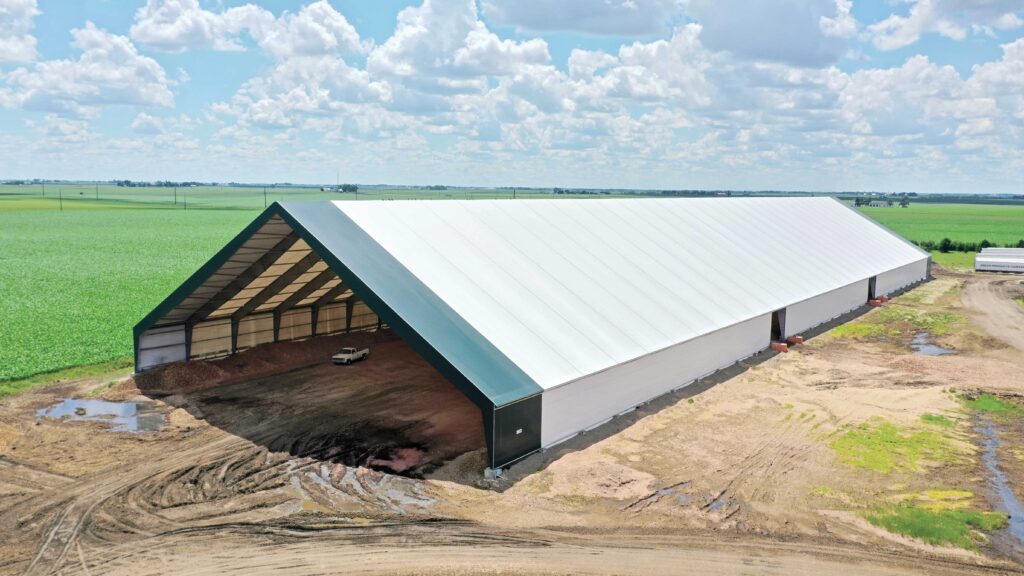
Climate control that limits moisture. Fabric structures are designed for natural ventilation and fresh air, which supports the air exchange that keeps humidity from lingering. Metal buildings can be fitted with insulation options, including fiberglass batt, interior liner systems and insulated metal panels. These help control interior temperatures and limit the swings that lead to condensation on cold steel.
Foundations built for the site. ClearSpan offers poured concrete, concrete pads, piers, pony walls, shipping containers and more, and can build on existing foundations. All can be designed to satisfy structural engineer inspections and meet local building codes, with high bearing capacity. They can also be used on difficult lots, which matters on rural sites with poor drainage or unstable soils. Many fabric customers choose the Helical Anchoring System, because it drills directly into the ground, limits excavation and never has to be replaced.
Engineered for loads, with fewer places to take a hit. ClearSpan buildings are designed to withstand high winds and heavy snow loads, and engineered designs are available to meet local building codes. These structures also feature no internal support posts, so there are no interior columns for trucks and loaders to strike.
A building matched to its real use. ClearSpan Building Specialists work one on one with customers to learn how the building will be used, then tailor a solution around it. That conversation helps prevent the mismatch between design and application that can shorten a building’s life.
Maintenance Still Matters
Better design reduces the risks but does not remove the need for upkeep. A simple routine goes a long way:
- Inspect roofing or covers, flashings, fasteners, doors and other penetrations regularly.
- Keep gutters clear and make sure runoff drains away from foundations.
- Clean off chemical, salt or manure residue before it sits on surfaces.
- Reassess the building if or whenever its use changes.
Build For The Environment, Not Just The Site
Rural properties will always bring wind, weather, moisture and hard use. Corrosion-resistant frames, covers and cladding chosen for the exposure, versatile foundations and a design matched to the true application help a building hold up under those conditions.
To talk through the right fabric or metal building for your rural property, call or Request a Quote today.
Related Articles
How To Choose The Ideal Industrial Maintenance Shop Building: What Are Buyers Considering?
For industrial needs, the best building systems always come down to pre-engineered metal buildings (PEMBs) and clear-span fabric structures.
Comparing Fabric Buildings vs. Traditional Pole Barns
From faster construction and greater usable space to natural lighting and durable materials, fabric structures supply operations with a practical alternative to traditional pole-barn construction.
Using ClearSpan To Create Your Ideal Manufacturing Building
Manufacturing is a diverse industry, and every operation has different needs to meet their production goals.
The Ultimate Construction Storage Building
Wear and tear are unavoidable when it comes to most purchases someone makes, but preserving a purchase for as long as possible is the ultimate goal.