
Comparing Fabric Buildings vs. Traditional Pole Barns
When operations need additional space for equipment, materials, livestock or any other agricultural or industrial application, traditional pole barns may seem like a familiar option. However, fabric buildings offer several advantages that can make them a more versatile and cost-effective solution over time.
From faster construction and greater usable space to natural lighting and durable materials, fabric structures supply operations with a practical alternative to traditional pole-barn construction. These advantages can make a significant difference when operations are looking for a building that can accommodate their needs, without unnecessary limitations.
Why Choose A Fabric Building Over A Traditional Pole Barn?
For facilities seeking commercial storage or operational space, fabric buildings offer several advantages over traditional pole barns:
- Faster construction can help businesses put additional space into service sooner.
- Clear-span interiors maximize usable floor space and eliminate interior posts that can interfere with equipment, livestock and stored goods.
- Natural daylighting creates a brighter interior and can reduce reliance on electric lighting during daylight hours.
- Durable materials provide long-term performance with galvanized steel framing and purpose-built fabric covers.
- Customization allows the structure to accommodate doors, equipment, HVAC and other operational requirements.
- Foundation flexibility provides options for different sites and project requirements.
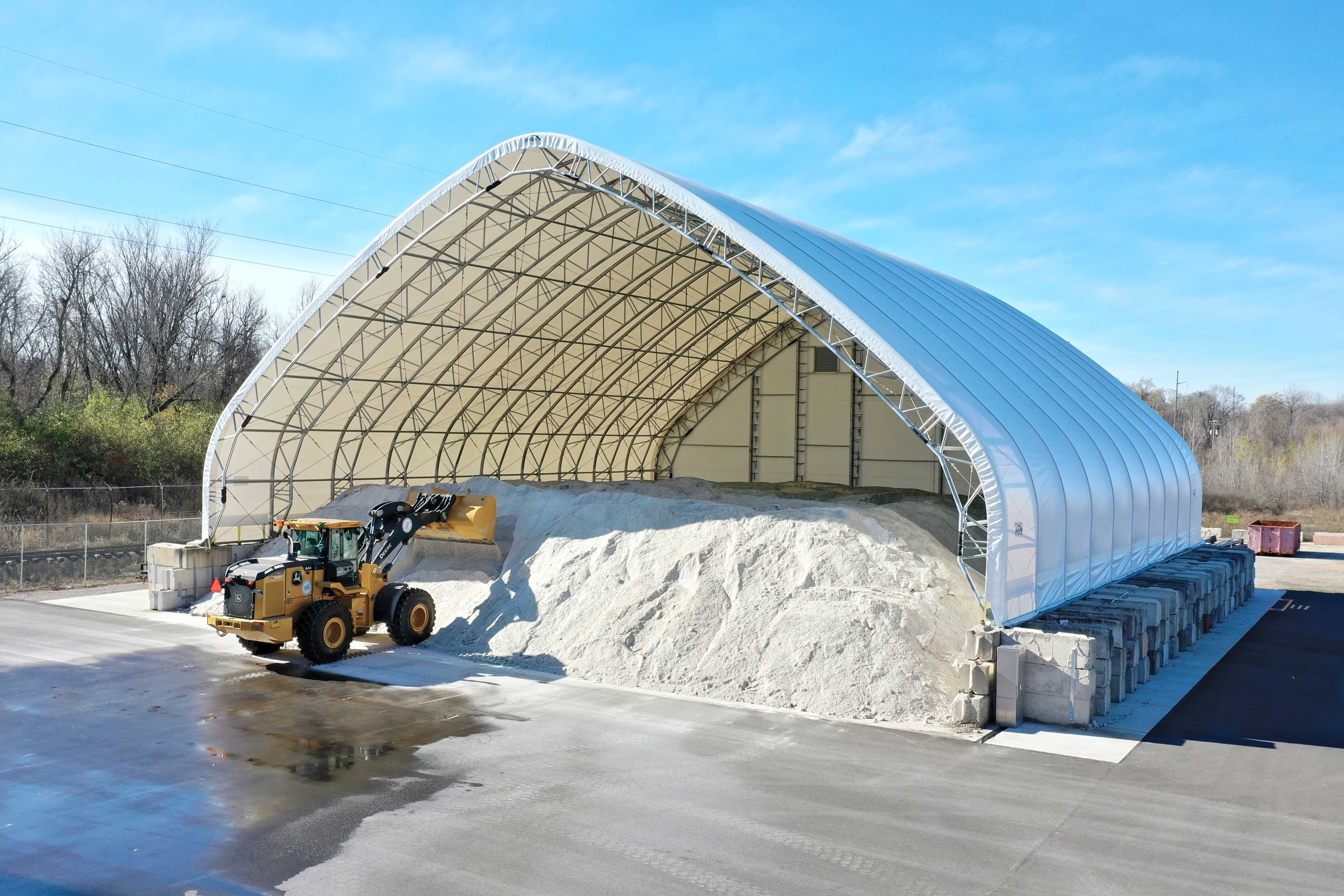
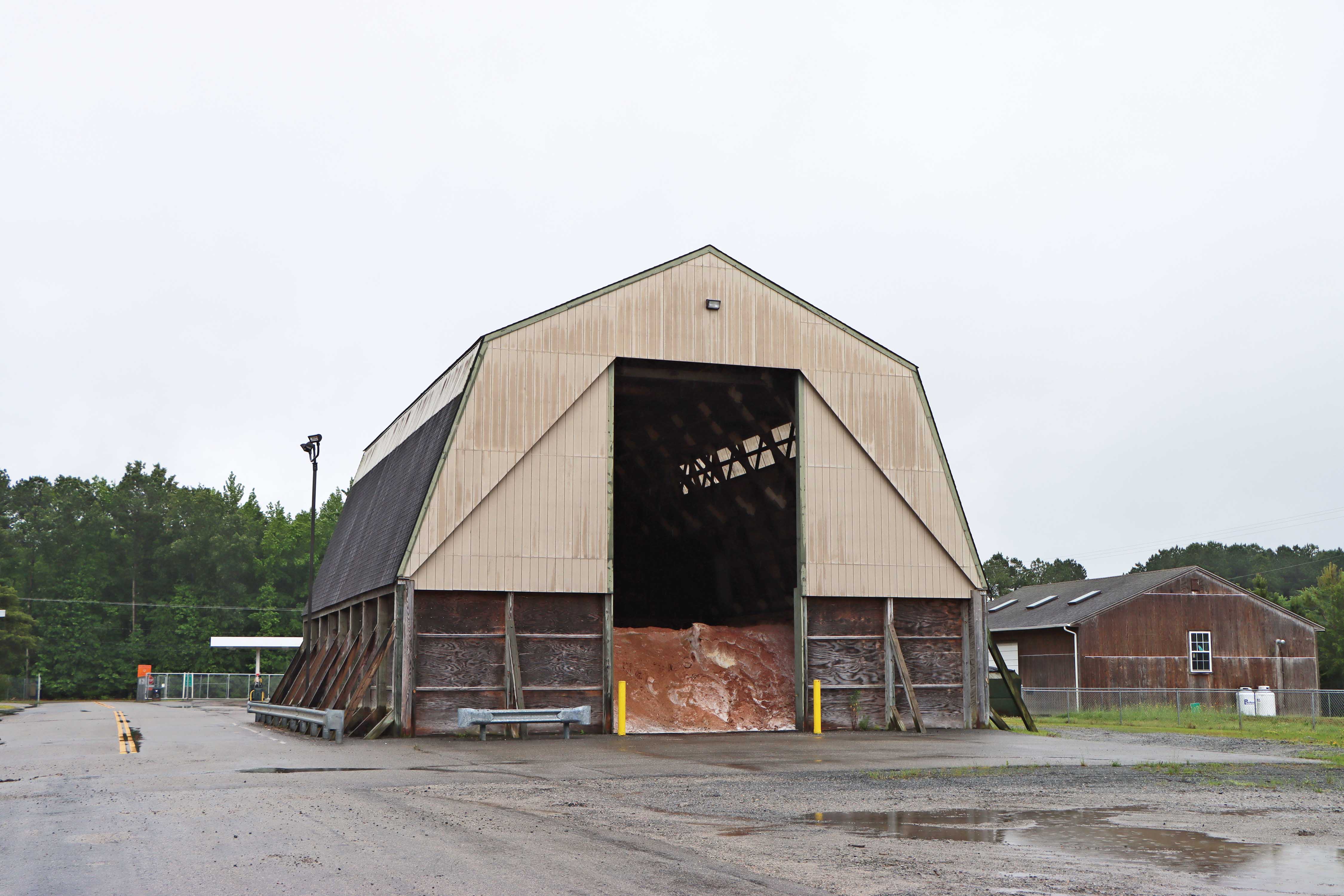
Choosing the right building means considering more than the initial cost. Fabric buildings combine streamlined construction, clear-span space, natural lighting, durable materials and flexible design options to ensure a versatile alternative to traditional pole barns.
Sign Up Now To Learn More
How Do Commercial Fabric Buildings Compare To Traditional Pole Barns?
Commercial fabric buildings and traditional pole barns use fundamentally different construction methods. Fabric buildings typically feature a corrosion-resistant steel frame covered by a tensioned fabric membrane, while pole barns rely primarily on wood posts and framing.
This difference in construction gives fabric buildings several advantages, including, but not limited to: streamlined construction, unobstructed clear-span interiors, abundant natural light and extensive customization. Operations also avoid many of the maintenance concerns associated with traditional wood-framed structures. For example, fabric structures are designed to shed rain and snow, helping prevent precipitation from pooling and adding weight to the structure.
Faster Construction
Construction time can have a major impact on the overall cost and disruption associated with a new building. Operations that need additional space may not be able to wait through a lengthy installation process before putting that space to use.
Fabric buildings use a streamlined, prefabricated structural system that allows for faster construction than traditional pole barns. The steel frame and fabric cover can be installed efficiently, helping businesses bring additional storage or operational space online sooner.
Faster construction also reduces the amount of disruption around an active facility or farm. A shorter construction timeline can be a significant advantage for businesses and farmers expanding their operations, replacing inadequate storage or responding to increased capacity needs.
More Usable Interior Space
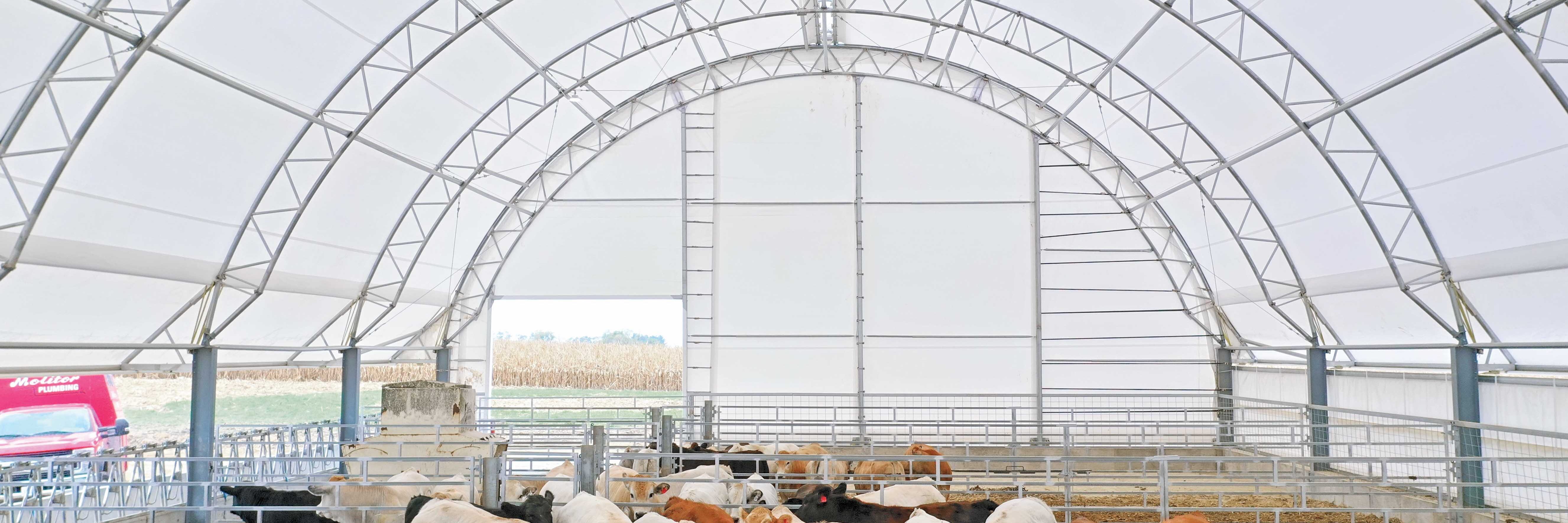
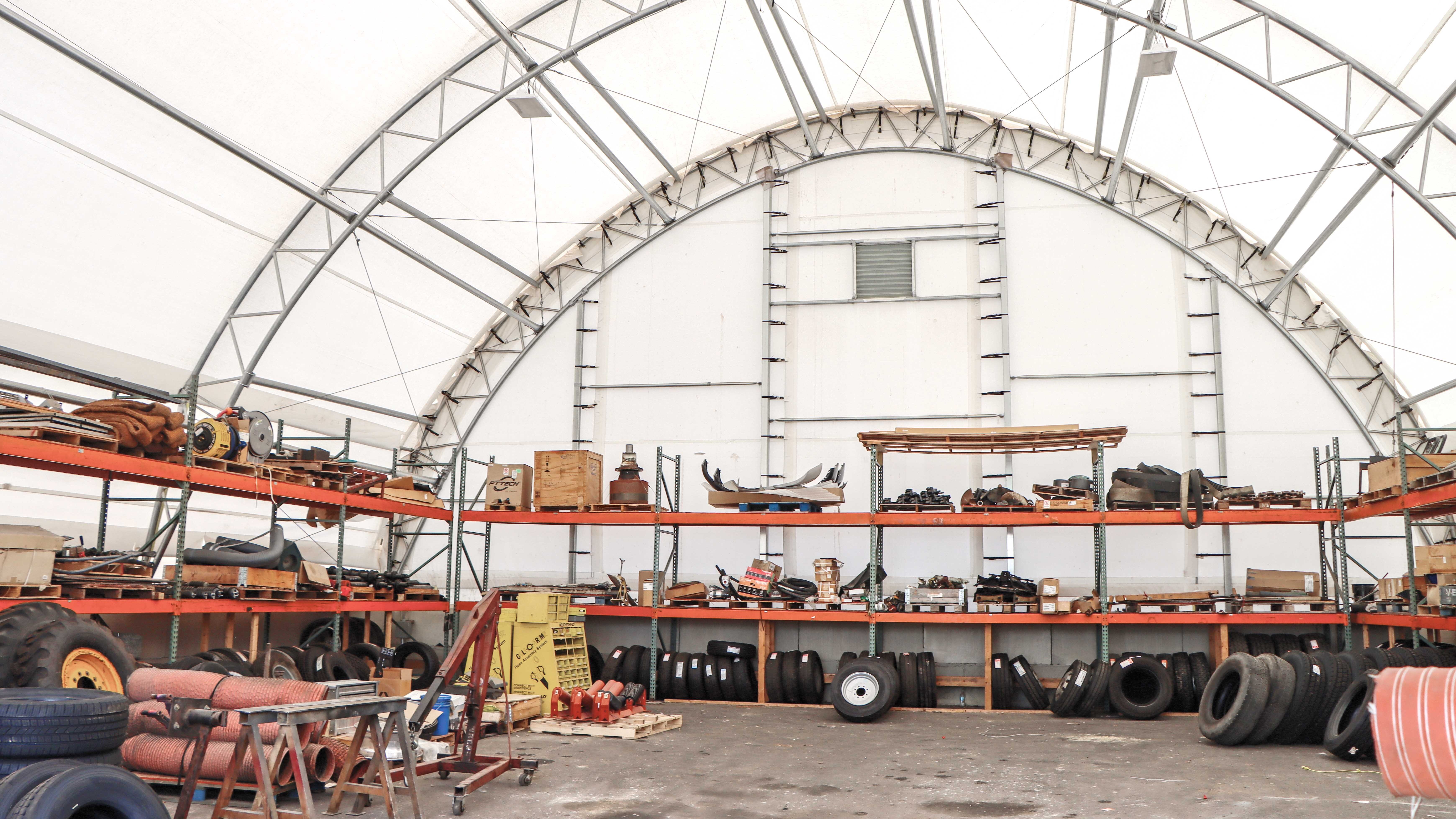
Without internal support posts taking up valuable floor space, many fabric structures are able to create wide-open interiors for equipment, vehicles, bulk material, animals and more. This flexibility can make it easier to configure storage areas, maneuver vehicles or machinery and adapt the building as operational needs change.
Traditional pole barns require structural posts throughout the building, which can limit how efficiently the available floor space is used. Fabric buildings eliminate that obstacle with clear-span designs that maximize usable interior space.
In industrial or agricultural applications, the difference can be significant. The goal isn't simply to construct a building with a large footprint; it's to create as much functional space as possible within that footprint.
Inherent Natural Light
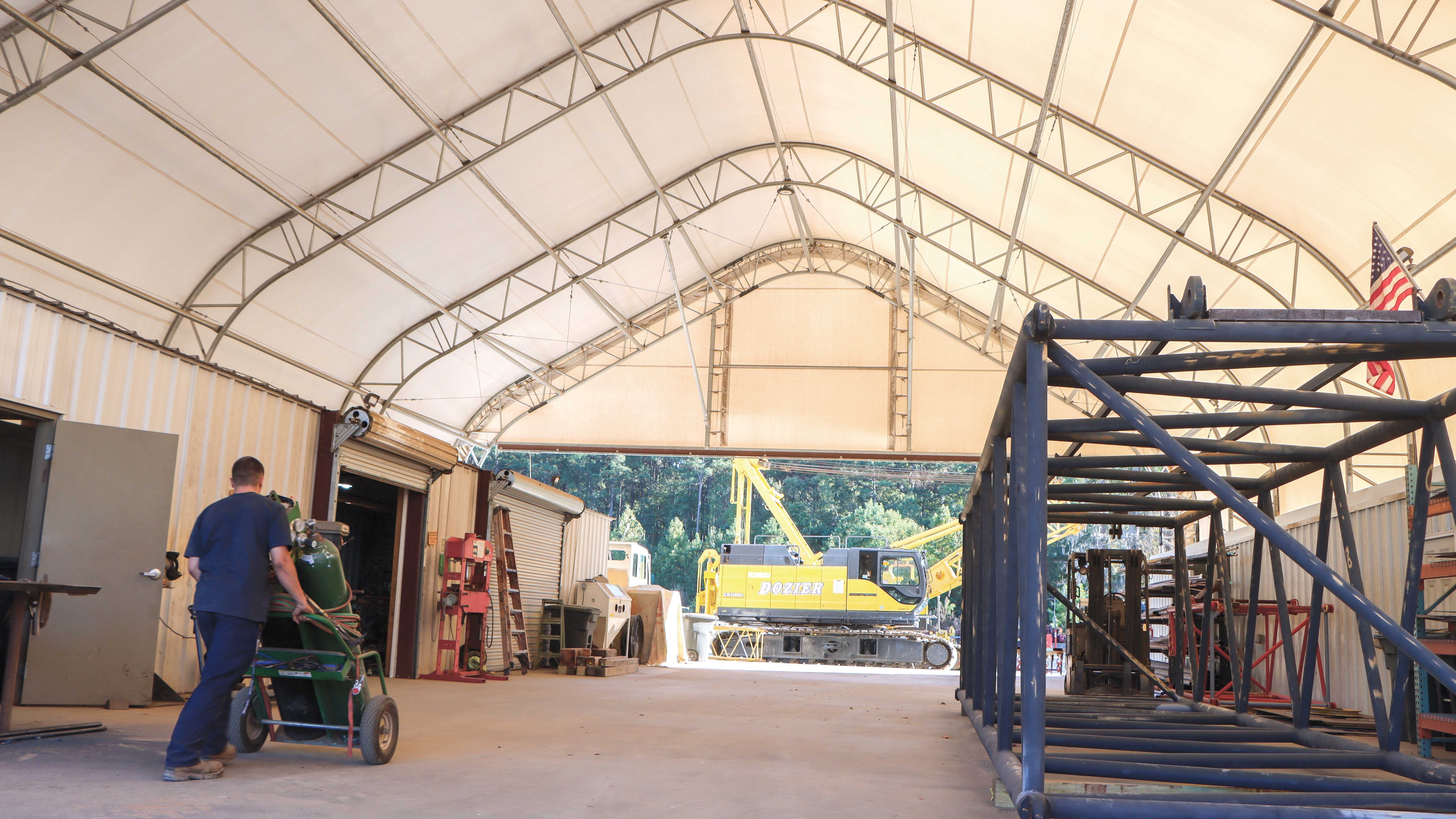
With the right cladding, fabric buildings can provide a naturally bright interior that doesn’t rely on artificial light fixtures. Translucent fabric covers allow abundant daylight to enter the structure.
Natural lighting offers a number of benefits, like improving visibility inside a commercial space or contributing to a healthier, more enjoyable environment for livestock. Additionally, reducing the need for artificial lighting during daytime hours helps reduce energy usage and associated utility costs.
Traditional pole barns generally require windows, skylights or electric lighting to achieve comparable interior illumination. Fabric construction can provide natural light across much of the building's interior, without having to add numerous openings to the structure, for a well-lit, shadow-free environment.
DEpendable Construction
Fabric buildings typically employ galvanized steel framing, which provides resistance to corrosion, rot and insect damage. The fabric cover is also constructed for outdoor exposure and can deliver long-term performance when properly selected for the application.
ClearSpan offers two primary fabric cover options. The standard 12.5 oz. polyethylene cover features a rip-stop weave, allows abundant natural light into the structure and carries a 20 year warranty. For more demanding applications, the 29 oz. Armor Shield Cover uses seven-layer construction and carries a 30 year warranty.
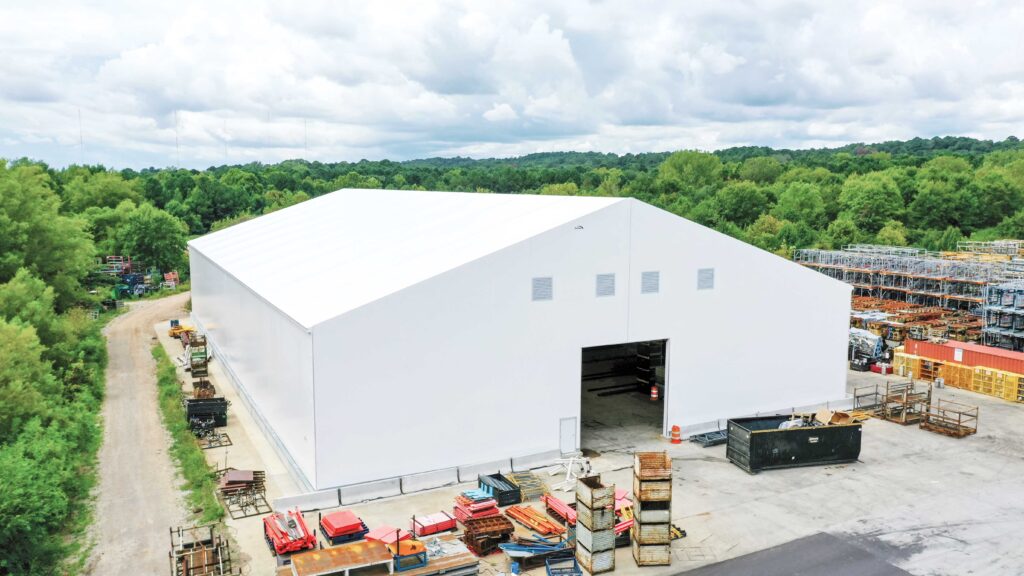
By combining durable steel framing with purpose-built fabric covers, fabric buildings offer a long-term alternative to wood-framed construction.
Customized For The Application
Commercial facilities and farms rarely have identical requirements. Operations may need large doors, loading areas, HVAC systems, ventilation, insulation or other accessories to make the building work for their specific application. Fabric buildings can be customized around these requirements, rather than forcing businesses to adapt their operations to a predetermined structure.
ClearSpan offers custom building designs and a wide range of accessories for industrial and agricultural applications. Structures can be configured around different dimensions, interior clearances, equipment and operational requirements.
Likewise, foundation options can also be tailored to the project and site. ClearSpan fabric structures thrive on most traditional foundations, including concrete pads, piers and poured concrete, but they can also accommodate more unique solutions, like shipping containers or helical anchors.
ClearSpan offers dependable fabric buildings for just about any agricultural, commercial or industrial application. Request a Quote today and see why these structures are an ideal alternative to traditional pole barns.
Related Articles
Sustainable Fabric Structures: An Eco-Friendly, Energy-Efficient Fabric Building
While the building industry as a whole has not been the most eco-friendly in the past, sustainable practices are becoming more commonplace in an effort to promote change.
Avoid These Big Mistakes In Commercial Building Design
With how many factors contribute to an effective commercial building design, a number of operations end up making errors that impact the quality of their structure.
4 Types Of Building Construction Materials You'll Encounter In Your Project
When designing a structure, one of the most daunting tasks businesses are faced with is selecting their building construction materials.
How To Choose Between Different Types Of Structures
When planning a new building, businesses have many materials and types of structures to choose from.