
A Guide On Evaluating Fabric Structure Vendors For Logistics
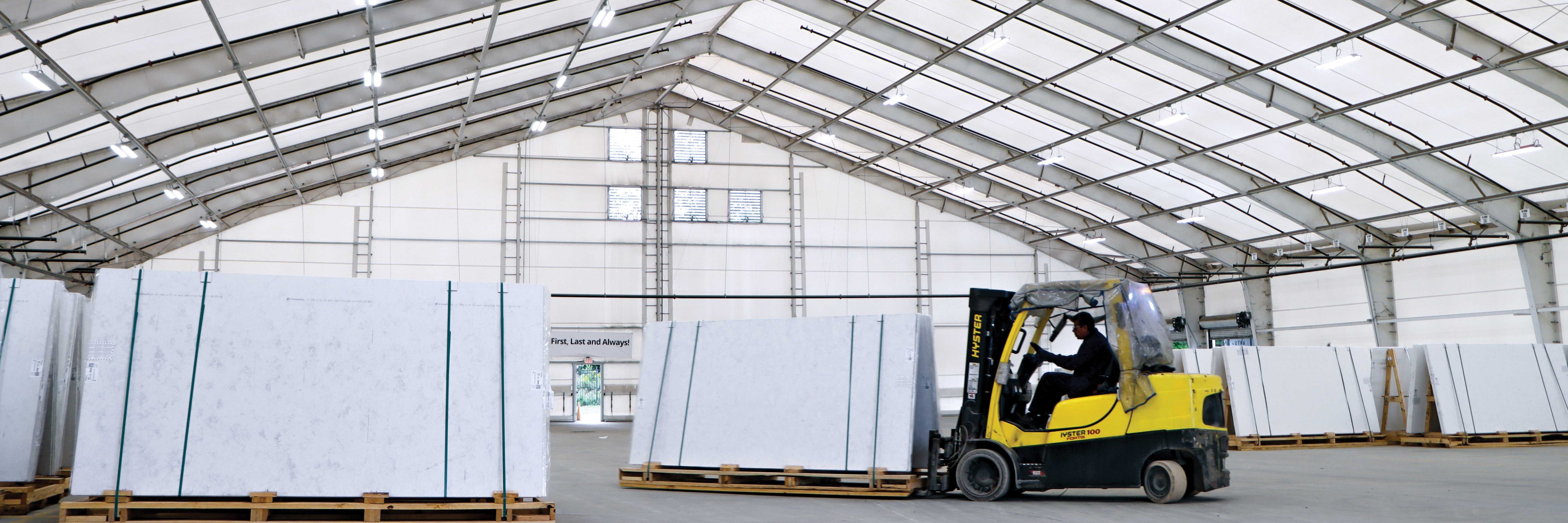
Choosing a fabric structure vendor for a logistics or distribution facility involves more than comparing building prices. The right building needs to accommodate the facility’s dimensions, workflow, equipment and site conditions, while providing the performance needed for long-term use.
For logistics leaders, there are several factors that will help determine whether a fabric structure company and its building designs are well-suited for a particular project. Clear-span profiles, engineering capabilities, foundation options, fabric materials, customization and installation support can all influence how well a structure performs. Evaluating these considerations early can help businesses select a building solution that supports both current operations and future needs.
Start With The Facility’s REquirements
Before comparing fabric structure vendors, businesses should first determine what the building needs to accomplish. The intended use of the space can influence everything from the building’s dimensions and interior clearance to its doors, foundation and overall structural design.
For logistics and distribution facilities, important considerations may include:
- Required building width, length and interior height
- Storage and racking configurations
- Forklift and other material-handling equipment
- Conveyor systems and other machinery
- Loading and vehicle access
- Potential future expansion
These requirements can help determine which building designs are appropriate. Leading fabric building vendors will be able to explain how their structures can be configured around the operation, rather than simply offering a predetermined building size.
ClearSpan provides fabric buildings for a number of applications, including warehouses, distribution centers, bulk storage and other commercial storage needs. ClearSpan’s fabric structures are available in stock, custom and turnkey designs, with options for custom covers and profiles and just about any building accessory.
ClearSpan Logistics And Warehouse Facilities
Evaluate Clear-Span Capability And Building Design
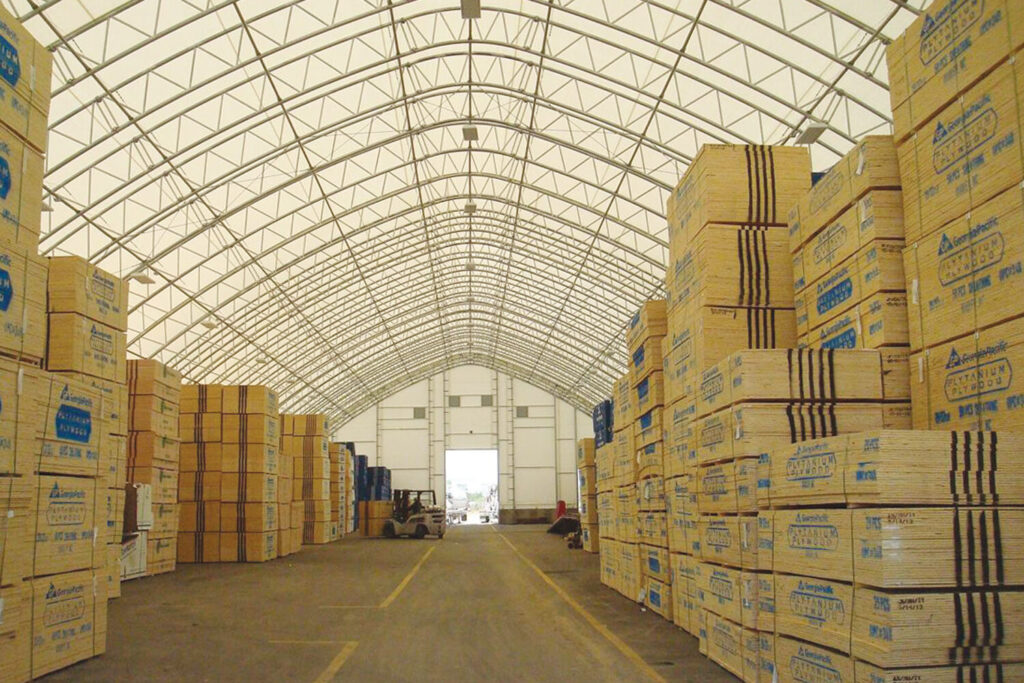
Clear-span space is particularly valuable in logistics facilities, because interior support posts can interfere with storage layouts, equipment movement and material-handling jobs.
When evaluating a fabric structure vendor, operations should consider how much usable, post-free space a building design provides, and whether its width and interior clearance are appropriate for the intended application. The frame design should accommodate the way a facility will operate, rather than requiring the operation to work around the structure.
Interior clearance is especially important for facilities that use forklifts, conveyors, heavy equipment or high storage systems. Building dimensions need to account for the space required not only to store materials, but also to move them efficiently throughout the facility.
ClearSpan fabric buildings are able to be designed with high clearances to allow vehicles and machinery to easily operate inside. Multiple building styles and frame options are available for different applications, so each structure can be configured around a facility’s unique requirements.
For a logistics facility, the goal isn’t simply to find a fabric structure that is large enough; the goal is to find a design that provides usable, functional space for the entire operation.
Examine Engineering And Site Requirements
A fabric structure needs to be appropriately designed for its location and intended application. Before selecting a vendor, it’s a good idea for logistics operations to discuss any potential engineering and ask how the structure will account for their local conditions.
Important considerations can include:
- Local wind and snow loads
- Applicable building codes
- Site conditions
- Foundation requirements
- Engineering documentation
- Permitting requirements

Rather than treating every project the same, a reputable vendor will have no trouble explaining how their building designs fit the conditions at a given site. ClearSpan offers engineered designs that can satisfy all local building codes. These fabric structures are manufactured to withstand high winds, heavy snow loads and other inclement weather.
Logistics and distribution leaders will want to discuss engineering requirements with their vendor early on in the planning process. This can help identify potential site or permitting issues before construction begins, avoiding costly delays.
Sign Up Now To Learn More
Consider Foundation Options
The foundation is another important part of evaluating fabric structure vendors. Foundation requirements can vary based on site conditions, building use, local requirements and the selected structure.
Operations should ask what foundation options a vendor offers and how each option could affect site preparation, excavation and installation.
ClearSpan fabric structures can be installed using traditional foundation approaches, including poured concrete, posts, blocks, piers and concrete pads. ClearSpan also offers more versatile solutions, like shipping containers or an exclusive helical anchoring system, which drills directly into the ground and helps limit excavation and building time.
Understanding foundation options as part of the initial building evaluation can provide a more complete picture of the project. Instead of looking only at the structure itself, facility owners can consider how the building and site preparation will work together.
Evaluate Fabric And Building Materials
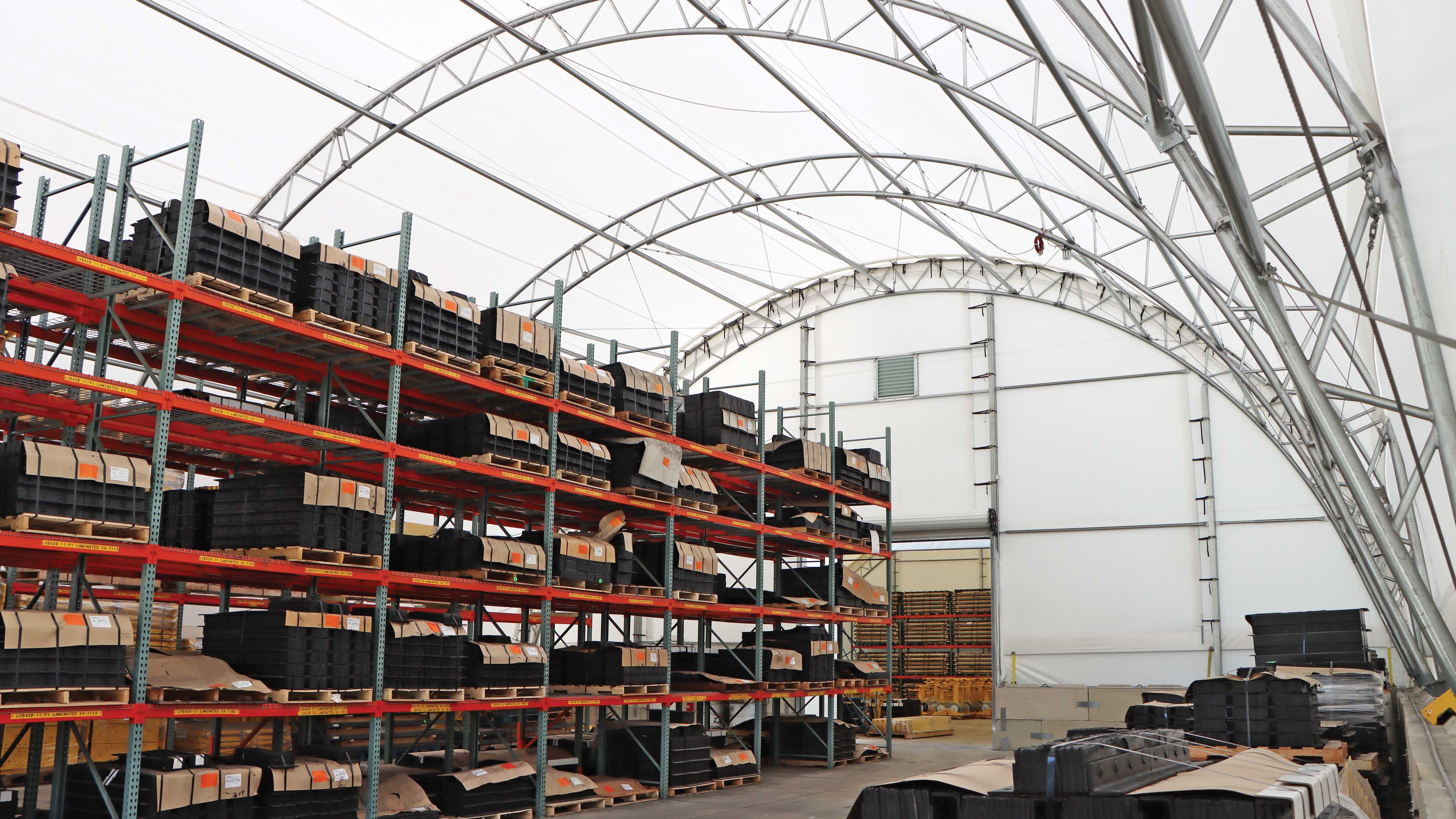
The fabric cladding used is a crucial aspect of building design, but it shouldn't be evaluated in isolation. Businesses also need information regarding the cover’s strength, durability, light transmission, warranty and suitability for their facility’s environment.
Natural light can be beneficial in warehouse and distribution applications by helping illuminate the interior during daylight hours, reducing utility costs. Other facilities, however, may place greater emphasis on durability or performance in demanding environmental conditions.
ClearSpan offers two primary fabric cover options. The standard 12.5 oz. polyethylene cover features a rip-stop weave, allows abundant natural light into the structure and carries a 20 year warranty. For more demanding applications, ClearSpan's 29 oz. Armor Shield Cover uses seven-layer construction and carries a 30 year warranty.
The right fabric material depends on how the facility will be used and the conditions the structure needs to withstand. A qualified vendor, like ClearSpan, will be able to explain those tradeoffs, rather than simply recommending one cover for every application.
Look At Customization And Installation Support
A building may meet a business’s required dimensions on paper, but that doesn’t mean anything if it can’t accommodate all the features their facility requires.
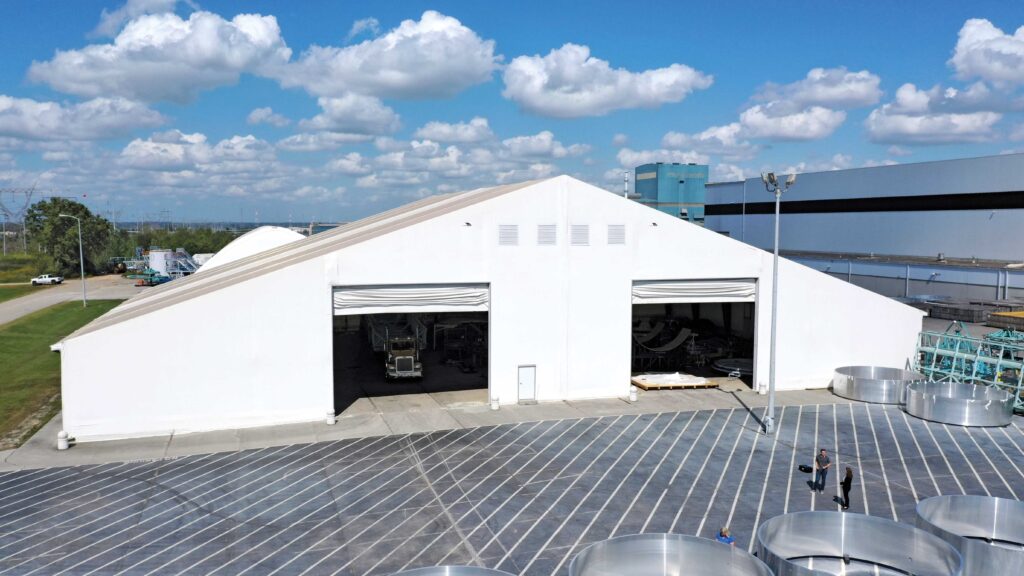
Operations need to know whether a vendor can integrate doors, end panels, loading areas, HVAC and other accessories suited to their application. These features help a fabric structure function as an effective part of the facility as a whole, rather than simply serving as a basic enclosure.
ClearSpan offers custom building designs and accessories for different applications, and each structure can be configured around a range of operational requirements. ClearSpan's fabric building line also includes numerous foundation solutions and the option for custom engineering.
Installation support is another important consideration when evaluating a fabric structure vendor. Business leaders should understand what support the company provides during installation and how responsibilities are divided between the vendor, contractors and their own internal team.
ClearSpan provides in-house installation services for projects that require installation support, allowing businesses to work with the same company throughout the entire design, manufacturing and construction process.
Ask These Questions Before Choosing A Fabric Structure Vendor
Ultimately, before selecting a fabric building company, logistics and distribution facility owners can use several questions to evaluate whether a vendor's building designs are appropriate for their project:
- Can the structure be designed around my required dimensions and interior clearances?
- How much clear-span space can the building provide?
- How will the structure be engineered for local wind, snow and building-code requirements?
- What foundation options are available for my site?
- What fabric cladding options are available?
- Can the structure accommodate my equipment, doors and loading requirements?
- What engineering and project documentation will I receive?
- What installation support does the vendor provide?
- What warranties are available for the frame and cover?
- Can the building be customized to accommodate changing facility needs?
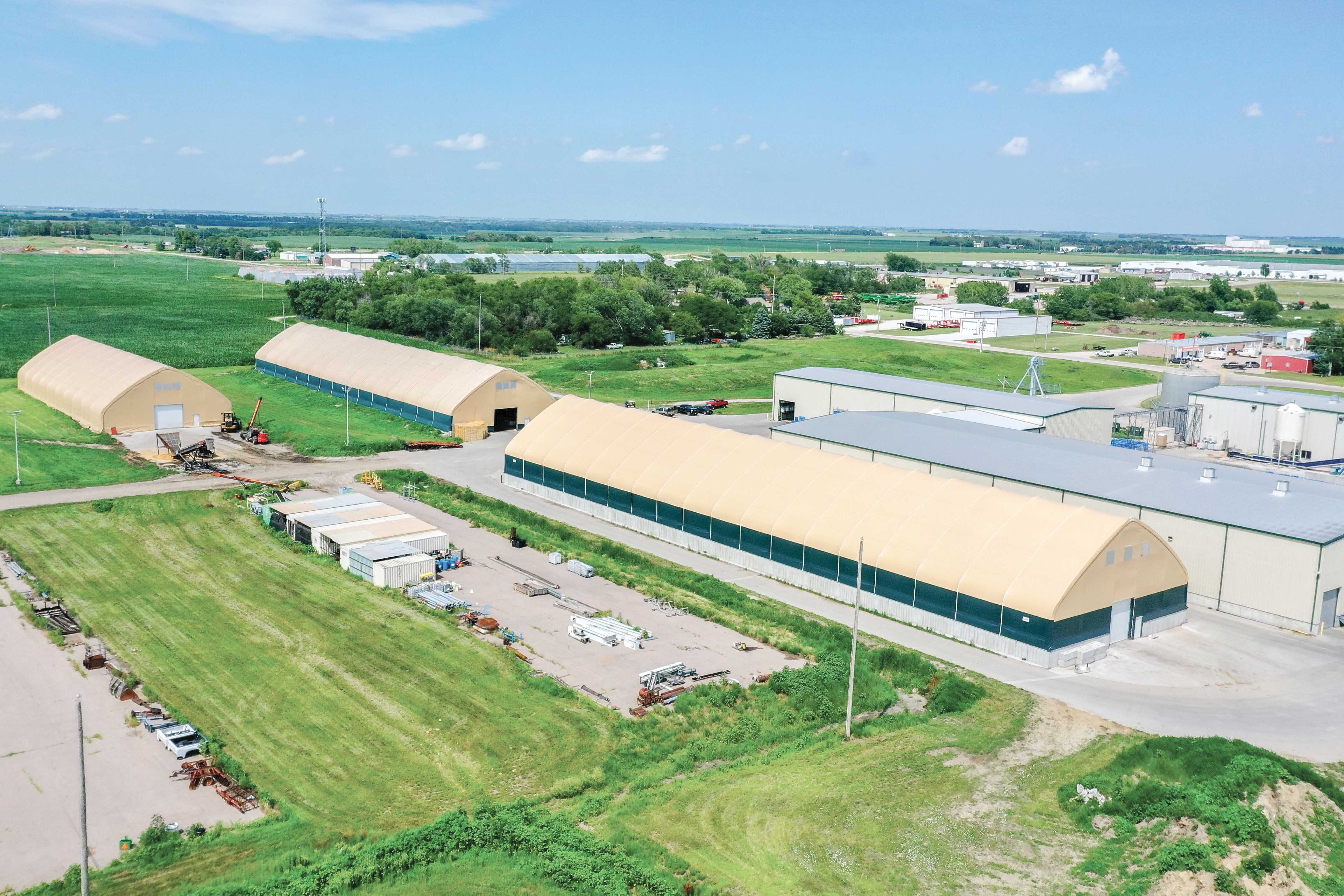
The right vendor will provide clear answers to these questions, helping businesses evaluate whether a building design actually fits their needs.
Choose A Fabric Structure That Fits The Facility
Selecting a fabric structure vendor isn't just about finding a company that can manufacture a building. The right partner should be able to demonstrate that their designs suit the facility's operational requirements, site conditions and long-term goals.
Logistics and distribution facilities will want to pay particular attention to speed, clear-span space, structural engineering, foundation options, material performance and customization. Evaluating these factors together can help businesses compare building solutions based on how well they will perform for their operation, not simply on the initial structure they see on paper.
The best fabric structure is ultimately the one designed to fit the facility, the site and the work that needs to happen inside it. Request a Quote today to see why ClearSpan is the ideal vendor for logistics and distribution facilities.
Related Articles
How Businesses Can Reduce Warehouse Construction Cost And Improve Operational Efficiency
When businesses start looking for solutions to their warehousing dilemma, there are several factors they need to keep in mind, so they can limit their warehouse construction cost and create a space that best fits their application.
Time To Upgrade Your Storage Space? Choose A ClearSpan Fabric Storage Tent
When a business decides to upgrade their storage space with a ClearSpan storage tent, they gain superior protection, steel frame designs that maximize space and versatile foundations that limit construction timelines and excavation costs.
Planning Out An Effective Warehouse Building
With such a wide range of storage requirements across different industries, there is no one-size-fits-all solution when it comes to designing a warehouse building.
Sustainable Warehousing With Fabric Structures
Warehouses are becoming more innovative in their attempts at being eco-friendly, turning to options like automation and retrofitting to become greener.