
How To Add Warehouse Space Fast For Seasonal Demand
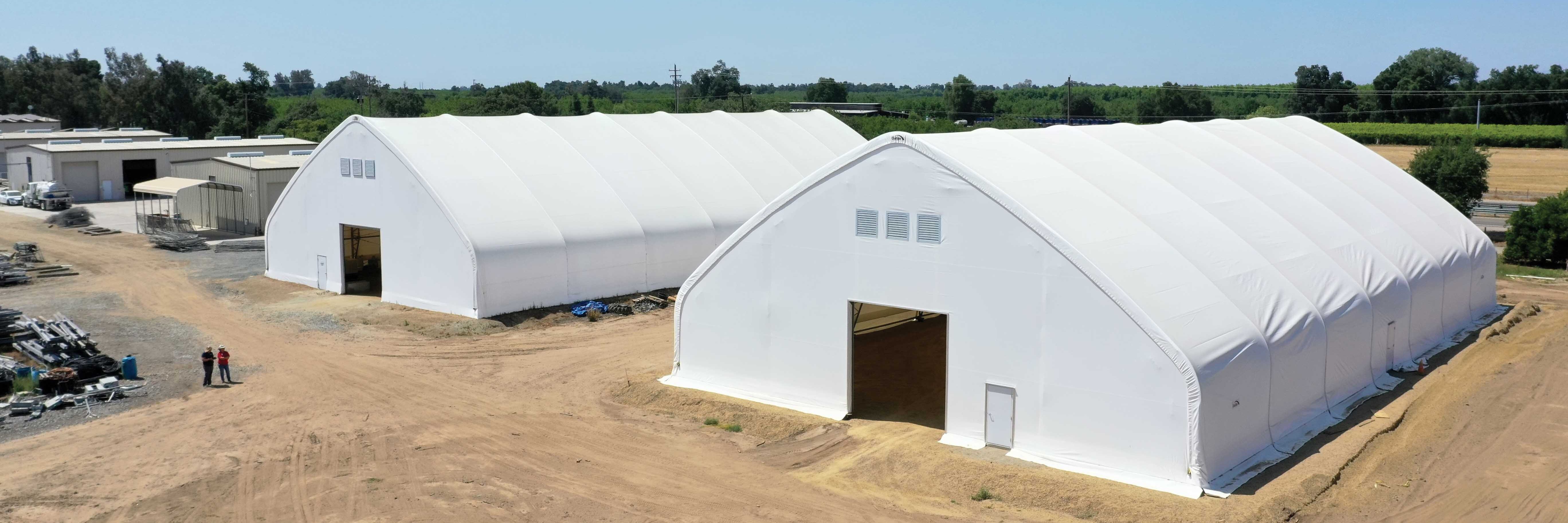
Holiday shopping, harvest season and promotional surges all create the same problem for logistics operators: a few busy weeks that demand far more space than the rest of the year. Building permanent capacity for the peak leaves expensive square footage empty for months. Fabric structures offer a faster, more flexible path, giving operations a way to add covered warehouse space when volume climbs and keep that space useful long after the rush ends.
How Do Fabric Structures Help Logistics Operators Handle Seasonal Volume Spikes?
Fabric structures act as a buffer between normal capacity and peak-season demand. A distributor that usually runs 50,000 square feet, but needs 80,000 for three months, can add the extra 30,000 square feet as a dedicated overflow building, rather than carrying 80,000 square feet of permanent space all year.
Several features of ClearSpan’s fabric structures make that overflow space practical:
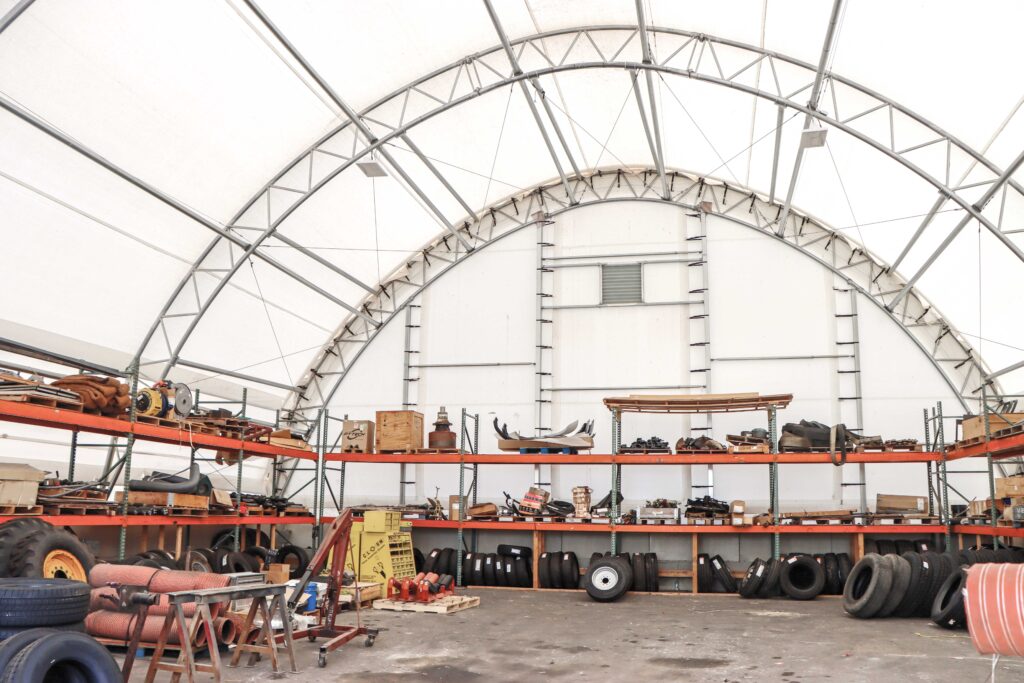
- Open floor plans: Clear-span designs have no support posts, so racking, forklift lanes, staging areas and turning zones can be laid out around the actual workflow instead of around columns.
- Flexible use: Extra space can hold overflow inventory, packaging and equipment, or serve as a staging area for sorting, order preparation and truck loading during the peak.
- Weather protection: A heavy-duty, triple-galvanized steel frame is designed to handle severe wind and snow loads, keeping inventory and loading activity covered.
- Lower daytime lighting costs: Some fabric cladding options let natural light filter through, which reduces monthly utility costs.
Capacity only helps if it arrives in time, though. Peak-season deadlines do not move, so how quickly a building goes up matters as much as how well it works once it is there.
Sign Up Now To Learn More
What Makes Fabric Buildings So Fast For Emergency Warehouse Capacity?
Quick assembly is a big part of the answer. Conventional construction is the slowest route, since permanent warehouses require extensive site work and long build schedules, which rarely fit a surge that is only weeks away. Fabric buildings take a shorter path. They are quick to assemble and install, and some projects go from ground to fully assembled in a matter of days.
The foundation also plays a major role in that speed. ClearSpan offers a variety of foundation options, like pre-cast concrete, poured concrete, shipping containers and the exclusive Helical Anchoring System. Helical anchors drill directly into the ground, which avoids the cost and time of traditional excavation and allows quick and easy disassembly, transportation and reconstruction. They are classified as 100% temporary, yet durable enough to remain in place if a seasonal solution becomes a long-term one.
Even so, speed depends on planning. Capacity needs, site conditions and building size all shape the timeline, so the earlier a project starts, the more options remain. Since seasonal needs often grow over time, how a building expands matters too.
How Do Modular Buildings Expand To Accommodate Increased Capacity Needs?
Modular buildings typically expand by adding prefabricated units that connect to the existing structure. That approach works best when connection points, foundations, utilities and approvals have been planned ahead of time.
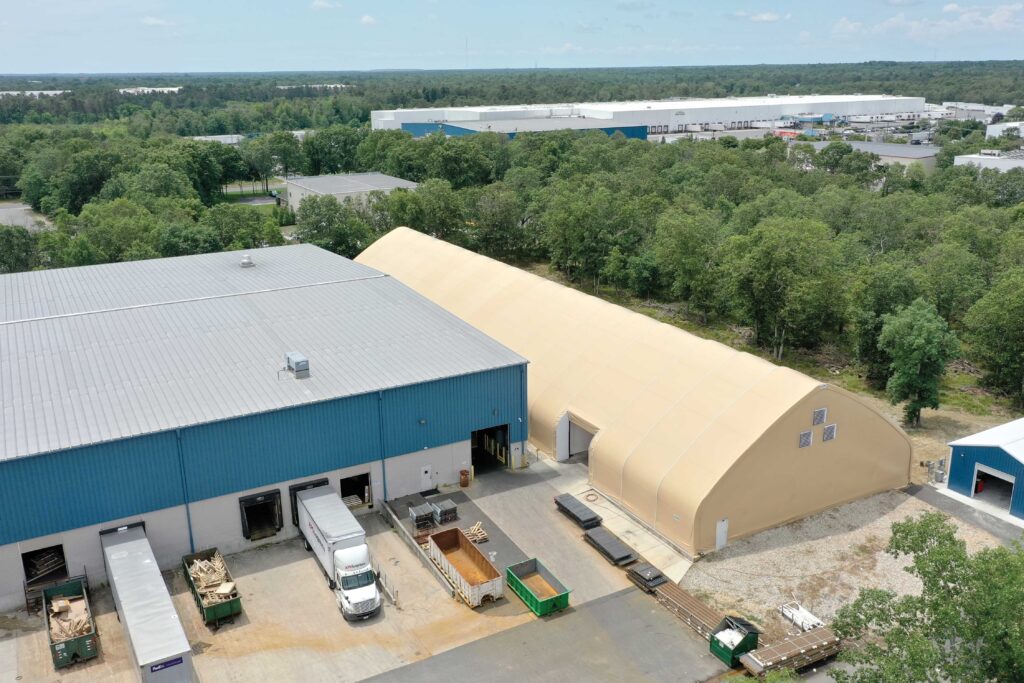
ClearSpan's fabric buildings expand in a similar way. A building can be extended lengthwise in the future to easily add more space, so an operation can start with the footprint needed today and grow when demand does, instead of overbuilding up front. Planning for that extension at the start helps keep the foundation and site layout ready for it, and a ClearSpan Building Specialist can help map it out.
That flexibility also supports what comes after the surge. Buildings on helical anchors can be taken down, moved and rebuilt at the next location, which reduces the risk of ending up with excess space once demand falls. ClearSpan's temporary warehouse buildings are built around this idea.
Easy Expansion Lets You Grow With Your Business
What To Plan Before Peak Season Arrives
- Capacity: Estimate the floor area, pallet positions and aisle widths needed at the peak.
- Duration: Decide whether the space is seasonal, semi-permanent or long-term, since that guides the foundation choice.
- Site conditions: Wind, snow, soil and access vary by location, and the building and foundation should be matched to the site's requirements and local building codes.
- Equipment and clearance: Forklift types, racking height and truck access determine the width, length and height required.
Seasonal demand does not have to mean seasonal scrambling. To discuss fabric warehouse options for the next peak, work with a ClearSpan Building Specialist or Request a Quote
Related Articles
Top Fabric Structure Suppliers For Industrial Storage: What To Look For
Industrial storage buyers comparing fabric structure suppliers usually find a long list of names and very little guidance on how to tell them apart.
Time To Upgrade Your Storage Tent? Choose A ClearSpan Fabric Storage Shelter
From outdoor storage to more traditional options that are basic in nature, it can be difficult to find a cost-effective space that maximizes storage capability.
Fabric Structures Vs. Permanent Buildings: When Does Each Make Sense?
When industrial operations need to add capacity, the building decision often comes down to a false choice: a fabric structure for speed, or a traditional permanent building for staying power.
Choosing Warehouse Building Systems: What Manufacturers Need To Know
Manufacturing and logistics operations need more from a warehouse than simple storage space.