
Commercial Building Construction: How Businesses And Commercial Builders Should Approach A Project
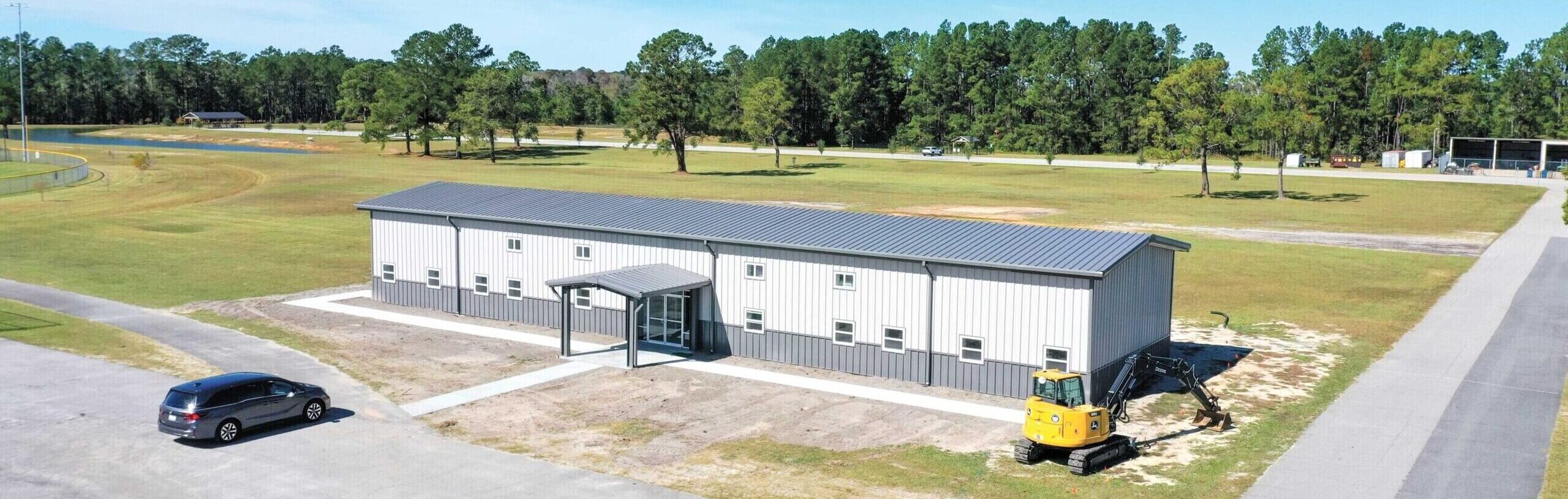
Designing and constructing a commercial building can be a complex process, especially for large-scale projects. Whether it’s a municipal structure, industrial facility, recreational complex or something else, these buildings often require customized designs, specialized features and careful planning to support an operation’s unique needs.
The types of commercial construction projects can vary widely, but they all share one thing in common: a successful outcome depends on much more than the building itself. Compared to residential construction, commercial projects often involve additional permitting, site preparation and coordination, making thorough planning even more important.
With so many moving parts to consider, all phases of commercial building construction require careful decision-making and close collaboration between operations and their commercial builders. While every project is different, there are still several best practices that can support a smoother construction process and better long-term results.
The following considerations highlight some of the key factors that remain consistent across commercial building construction projects.
Choosing The Right Commercial Builders
At the initial stages of a project, operations will first need to choose which manufacturer they want to supply and construct their building. There are many factors that can influence this decision, but it should ultimately come down to businesses working with reputable commercial builders, whom they can trust to get the job done right. From an industry standpoint, this can mean several things.
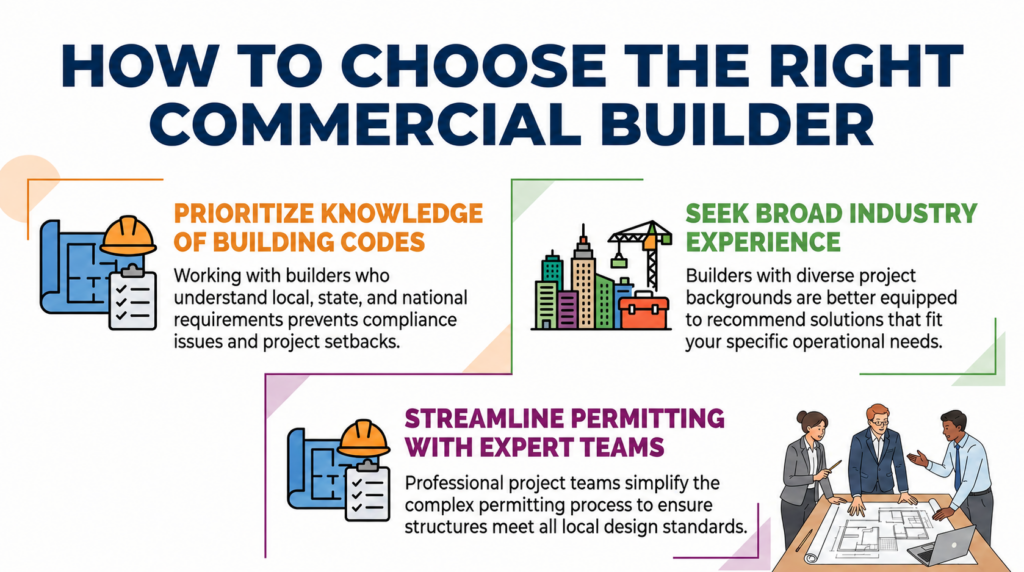
First, the best commercial builders will have a wealth of knowledge and experience when it comes to local, state and national building requirements. Building codes and construction requirements often vary by location, and experienced commercial builders can help navigate these regulations, helping to avoid costly delays and compliance issues later in the project.
Secondly, operations should consider a commercial builder’s experience with different project types. Commercial buildings serve a wide range of purposes, and each application comes with its own design considerations. Commercial builders who have completed a wide range of building projects are often better equipped to recommend solutions that align with an operation’s needs.
ClearSpan supports customers throughout dozens of industries with a team of project professionals who understand local, state and national building requirements. This experience helps simplify permitting and ensures structures are designed to meet the requirements of each operation.
Plan For Current And Future Needs
Before finalizing a building design, operations need to evaluate how their structure will be used both now and in the future. Decisions made during the planning phase can affect operational efficiency, maintenance requirements and future expansion opportunities.
Building size, interior clearances and intended use are best established early in the design process. Equipment, vehicles, inventory and personnel require adequate space to move safely and efficiently. Operations also need to account for future growth and any additional space or building modifications that may be required over time.
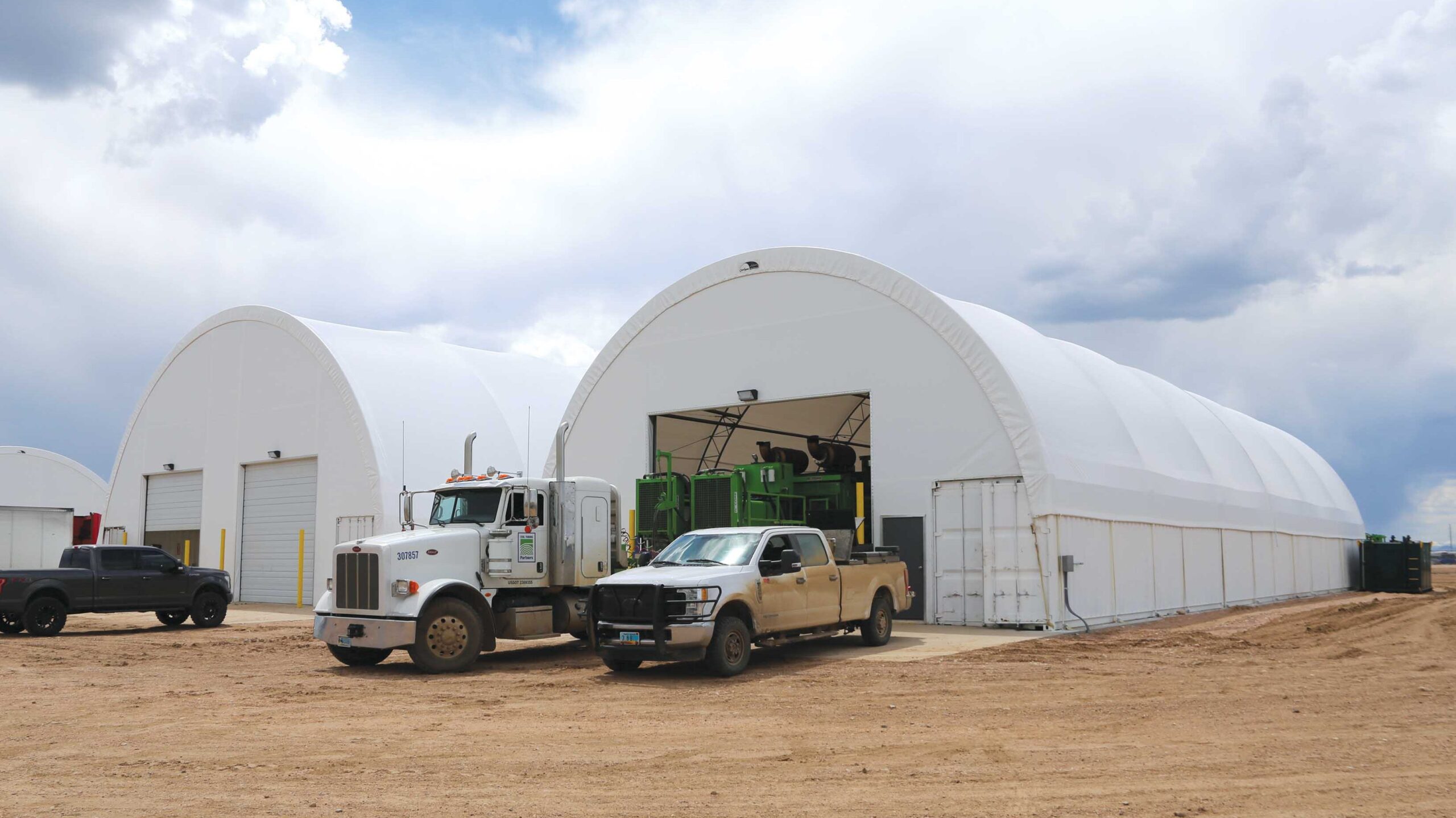
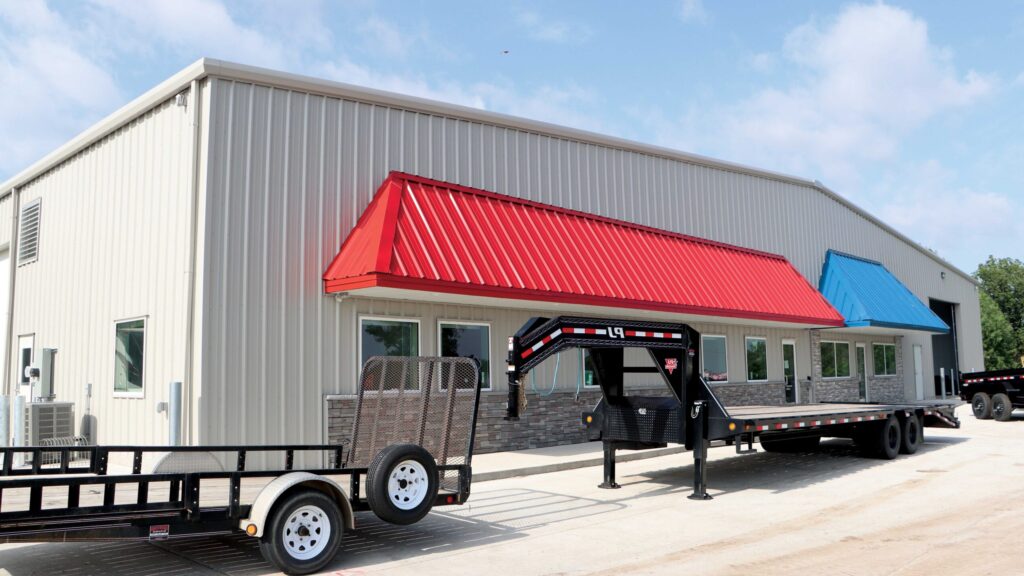
Additionally, it’s a good idea for operations to evaluate lighting and environmental control needs before selecting a building style. Fabric structures allow natural daylight and airflow to enter the building, reducing the need for artificial lighting or HVAC systems. Metal buildings, on the other hand, can provide exceptional insulation performance and may be better suited for applications with strict energy-efficiency requirements.
Foundation selection is another important planning decision. Depending on project goals and installation requirements, structures can be installed on concrete foundations, helical anchors, shipping containers or other foundation systems. Working closely with experienced commercial builders helps ensure the final design aligns with operational goals.
Prepare The Site Prior To Commercial Building Construction
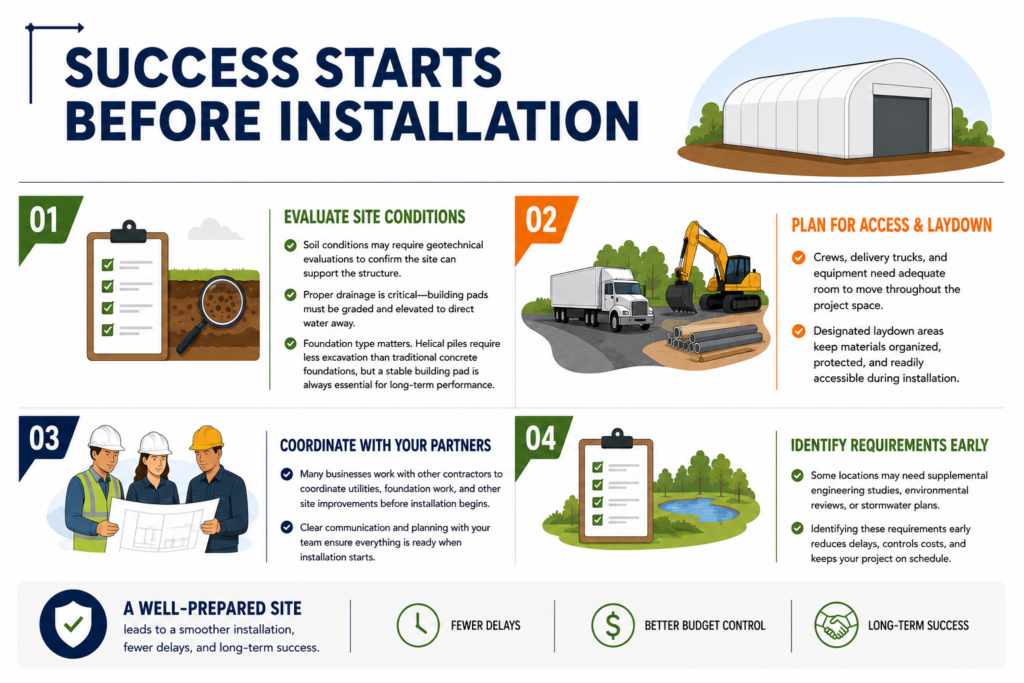
Before installation can begin, operations need to ensure the project site is properly prepared. While requirements vary by project, several factors can influence how much work is needed before commercial building construction begins.
One of the first areas to evaluate is the site’s soil conditions. Some projects require geotechnical evaluations to verify the site’s ability to support the structure. Drainage requirements are another important consideration, as building pads must be properly graded and elevated to direct water away from the facility.
It’s important to note that the chosen foundation system can affect site preparation requirements as well. Helical piles, for example, typically require less excavation than traditional poured concrete foundations. Regardless of foundation type, a stable building pad remains essential for long-term building performance.
Site access is another important consideration. Construction crews, delivery trucks and equipment need adequate room to move throughout the project space. Designated laydown areas also help keep materials organized and accessible during installation.
Additionally, operations need to be aware of other requirements that may affect the project timeline. Many businesses work with a general contractor to coordinate utilities, foundation work and other site improvements before installation begins. Depending on the location, supplemental engineering studies, environmental reviews or stormwater plans may also be required. Identifying these needs early can reduce delays and keep the project moving according to schedule.
Precautions During Cladding Installation
As installation begins, operations should understand how cladding installation differs between fabric and metal buildings. While the structural steel framework of both building types can be very similar, the installation process varies significantly.
Fabric cladding typically consists of large panels secured using keder channels and tensioning components. Because fabric can span greater distances, fewer panels are needed during installation. However, commercial builders must take care to avoid sharp objects that could damage the material during handling.
Metal cladding is installed using smaller panels that are fastened directly to the structure. Although highly durable once installed, metal panels can be susceptible to dents, bends or other damage if not handled properly during construction.
Operations should also recognize the impact weather can have during installation. Wind can create challenges for both fabric and metal cladding systems, making proper planning and experienced installation crews essential to maintaining safety and preventing unnecessary damage.
Sign Up Now To Learn More
Keep Project Timelines On Track
Throughout construction, it’s crucial that operations and commercial builders maintain clear communication to keep the project moving forward. Establishing a detailed construction plan before work begins is one of the best ways to keep stakeholders aligned and minimize unexpected disruptions.
Operations should work with their commercial builders to establish expectations for site access, material deliveries, working hours, safety requirements and coordination with other contractors. When these details are addressed early, teams can respond more quickly as challenges arise.
Many commercial builders use project management software to improve communication and track progress throughout construction. Daily meetings, site reports and regular updates provide visibility into the project, while allowing teams to address potential issues before they affect the schedule. A proactive approach not only improves efficiency, but also supports safety, quality and overall project success.
Building Success Through Proper Planning
Commercial building construction involves much more than the building of structures alone. Success depends on planning, communication and execution throughout all construction phases. By working with reputable commercial builders and following these best practices, operations can reduce delays, avoid costly mistakes and create commercial buildings that deliver value for years to come.
As an industry-leading commercial builder, ClearSpan has decades of experience with many types of commercial building construction. Request a Quote today to start designing your structure.
Related Articles
Choosing A Building Supplier: Building Manufacturer Guide
A growing demand for prefabricated and pre-engineered building solutions has created a crowded market, making it harder to identify which building manufacturer is the right fit.
Prefab Buildings: Why Operations Are Going With A Prefab Structure
Prefab buildings have emerged as a major player in the building market, offering businesses increased versatility and a variety of other unique benefits.
Avoid These Big Mistakes In Commercial Building Design
With how many factors contribute to an effective commercial building design, a number of operations end up making errors that impact the quality of their structure.
How To Choose Between Different Types Of Structures
When planning a new building, businesses have many materials and types of structures to choose from.